
Marbella Old Town Guide
The Historic Heart of the Costa del Sol
What is Marbella Old Town?
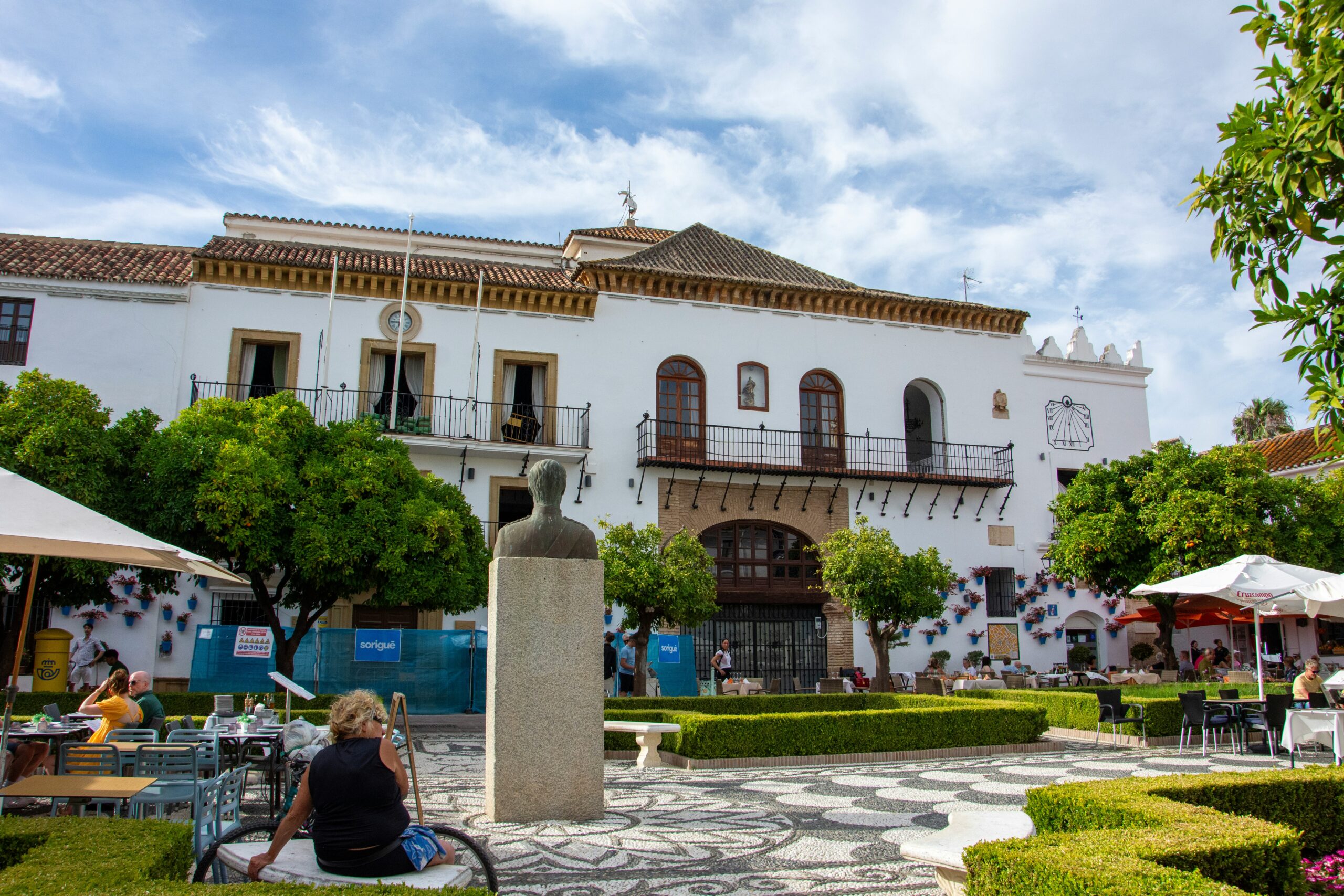
Marbella Old Town, or Casco Antiguo, is the historic heart of Marbella, a maze of narrow, whitewashed streets built on Moorish foundations around the central Plaza de los Naranjos. Just a short walk from the beach, it combines centuries of history with a lively year-round mix of boutiques, tapas bars and restaurants.
Unlike the purpose-built resorts along the coast, the Old Town is a genuine working town centre, home to a mix of long-time Spanish residents, small businesses and international buyers drawn to its walkable, authentic character.
History of Marbella Old Town
Marbella’s origins stretch back to Phoenician and Roman settlement, but the town’s character today owes most to its Moorish period, when it was fortified as “Marbal-la” behind defensive walls, sections of which still stand along the old quarter’s edges.
Following the Christian reconquest of Marbella in 1485, the town’s central square was laid out to become its new civic hub, today known as Plaza de los Naranjos. The square is framed by the Casa Consistorial, the Casa del Corregidor and the Ermita de Santiago, with its Renaissance fountain and orange trees, planted in 1941, giving the plaza its name.
The narrow, shaded streets radiating from the plaza still follow the original Moorish layout, designed to provide natural cooling in the Mediterranean summer heat, and today form one of the best-preserved historic town centres on the Costa del Sol.
Where is Marbella Old Town?
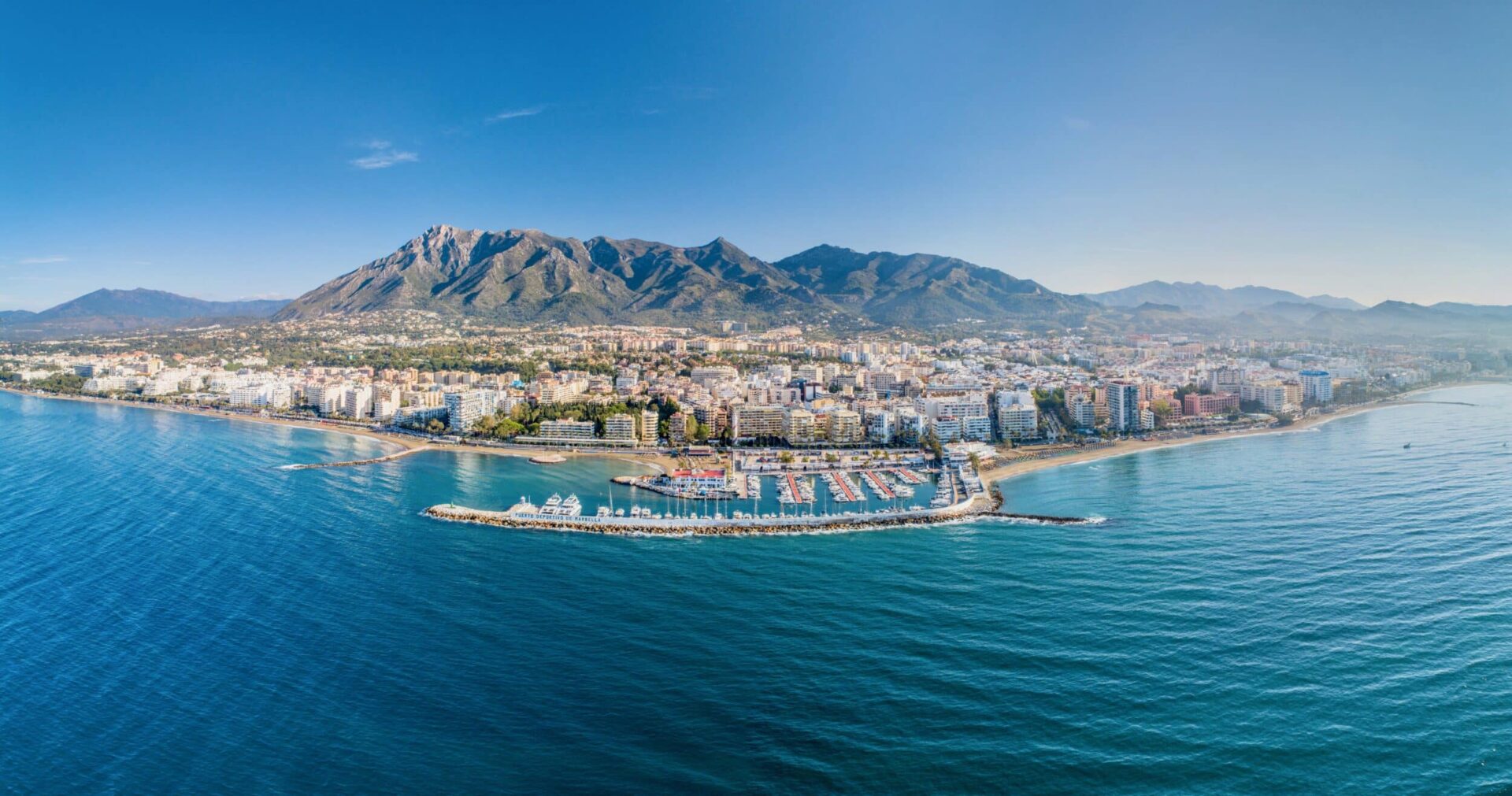
Marbella Old Town sits right at the centre of Marbella, a few hundred metres back from the beach and the Avenida del Mar promenade, bordered by Avenida Ricardo Soriano and the Alameda Park to the south and the newer town spreading north and east.
Its compact, pedestrian-friendly layout means most of the district can be crossed on foot in ten minutes, with the beach, the bus station and the AP-7 motorway all within easy reach.
| Destination | Distance | Drive time |
|---|---|---|
| Marbella Golden Mile | ~1 km | ~3 min |
| Puerto Banús | ~7 km | ~12 min |
| San Pedro de Alcántara | ~14 km | ~18 min |
| Málaga Airport | ~51 km | ~37 min |
| Gibraltar Airport | ~70 km | ~55–60 min |
What does Marbella Old Town offer?
Marbella Old Town’s appeal comes down to atmosphere as much as location. It’s one of the few places on the coast where daily life still happens in the street: neighbours chatting outside the market, terraces filling up in the evening, and a genuine sense of a town rather than a resort.
Everything is within easy reach on foot. The maze of narrow, whitewashed streets is compact by design, built centuries before cars, so most of the historic core, its shops, restaurants and Plaza de los Naranjos can be crossed in ten minutes or less.
The Old Town also sits right at the top of Marbella’s beachfront paseo. Alameda Park links the historic streets straight down to the promenade and the sand, so residents get walkable, small-town charm and beach life in the same few hundred metres.
Unlike the purpose-built resort areas along the coast, this is a real, year-round Spanish neighbourhood: a working weekly market, local bars that fill with residents rather than tourists, and an Andalusian character that hasn’t been smoothed over for visitors.
Browse current listings across the district on our Marbella Old Town properties page.
What style of homes can you find in Marbella Old Town?
The Old Town’s housing stock is dominated by restored townhouses and low-rise apartment buildings, many built around private patios in traditional Andalusian style, with whitewashed façades, wrought-iron balconies and terracotta roofs. Renovated townhouses near Plaza de los Naranjos command the highest prices, while streets further from the centre and around Avenida Ricardo Soriano offer more affordable apartments in mid-rise buildings.
What do properties cost in Marbella Old Town?
| Property type | Average price | Typical entry price |
|---|---|---|
| All property types (Old Town average) | ~€3,000–€5,000/m² | From ~€200,000 (small apartments) |
| Restored townhouses (historic core) | ~€6,000–€7,500/m² | From ~€600,000, prime restorations exceeding €1,000,000 |
The Old Town remains one of Marbella’s more affordable central districts on a per-square-metre basis, though fully restored townhouses in the historic core near Plaza de los Naranjos can command a significant premium and are increasingly scarce.
What is there to do in Marbella Old Town?
Dining
Plaza de los Naranjos and the surrounding streets form one of the most concentrated dining districts on the coast, packed with tapas bars, traditional Spanish restaurants and international kitchens spilling onto shaded terraces.
Away from the main square, quieter streets around Calle San Lázaro and Calle Ancha hold long-standing local favourites, offering a more authentic, less touristy dining scene.
El Estrecho, a family-run tapas bar dating back to 1954, remains one of the Old Town’s most authentic addresses, while KAVA, La Taberna del Pintxo and La Ribera Marbella represent a newer generation of Spanish kitchens drawing a mixed local and visitor crowd to the same streets.
Shopping
The Old Town’s boutiques mix independent fashion, jewellery and craft shops around Plaza de los Naranjos with everyday shopping along Avenida Ricardo Soriano, while a weekly street market brings a genuinely local flavour to the district.
For contemporary art and culture, the Museum of Contemporary Spanish Engraving sits within the historic quarter itself.
For larger-format shopping, Marbella centre and the Golden Mile are both a five-minute walk or drive from Plaza de los Naranjos.
Beach, park and wellness
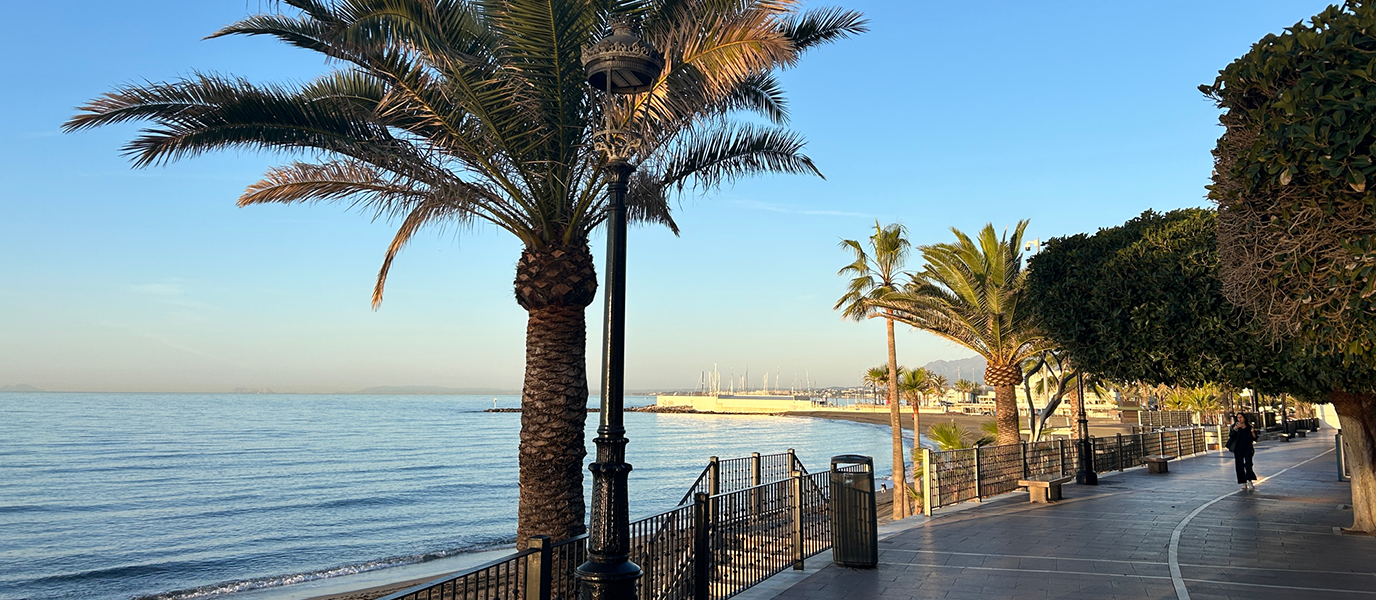
The Old Town backs directly onto Alameda Park, a shaded 19th-century garden square that links through to the seafront promenade and Marbella’s beaches, just a short walk from Plaza de los Naranjos.
The promenade linking Alameda Park to the seafront is well used for running, cycling and paddleboard rental in season, and several boutique gyms and yoga studios operate from converted townhouses just off the main square.
Nightlife
The Old Town’s evening scene is lively but low-key by Marbella standards, centred on plaza terraces, wine bars and live-music venues rather than the club scene found in Puerto Banús.
Wine bars and live-music terraces around Plaza de los Naranjos and Calle Ancha keep the Old Town’s evenings busy well past midnight in high season, without tipping into the club scene found in Puerto Banús.
Compare the Old Town with Marbella’s other central districts in our full area guides, including the Golden Mile and Sierra Blanca.
What is life like for kids in Marbella Old Town?
The Old Town offers a genuinely local, year-round Spanish lifestyle for families, with local state and bilingual schools within the town itself and a strong sense of community around the weekly market and plaza life.
For international schooling, families typically look just outside the historic centre, with well-regarded international schools a short drive away in nearby districts.
Schools near Marbella Old Town
| School | Location | Distance |
|---|---|---|
| Local Spanish state & bilingual schools | Within Marbella Old Town | On foot |
| Swans International Primary School | El Capricho, central Marbella | ~5 min drive |
| British International School of Marbella | Nagüeles | ~10 min drive |
| Swans International Secondary School | Sierra Blanca (Golden Mile hillside) | ~10–15 min drive |
| Aloha College | Nueva Andalucía | ~20 min drive |
See our full guide to Nueva Andalucía for more on international schools near Marbella.
Marbella Old Town vs. Golden Mile and Puerto Banús
The Old Town, Golden Mile and Puerto Banús sit within minutes of each other but offer very different lifestyles: the Old Town trades beachfront villas and marina glamour for walkable, authentic charm and a genuine town-centre atmosphere, the Golden Mile offers front-line beach estates, and Puerto Banús delivers marina-side luxury and nightlife.
Fun facts about Marbella Old Town
- Marbella Old Town’s roots stretch back to Phoenician and Roman settlement, long before its Moorish fortification.
- Sections of the original 10th-century Moorish town walls still stand along the edges of the historic quarter.
- Plaza de los Naranjos was laid out in 1485, just after the Christian reconquest, with its orange trees planted in 1941.
- The plaza is framed by three historic buildings: the Casa Consistorial, the Casa del Corregidor and the Ermita de Santiago.
- The narrow, shaded streets follow the original Moorish layout, designed to keep the town cool through Mediterranean summers.
- Unlike Marbella’s purpose-built resort areas, the Old Town is home to a genuine, year-round Spanish community and hosts a weekly street market.
Frequently Asked Questions
What is Marbella Old Town known for?
Is Marbella Old Town a good place to live?
How far is Marbella Old Town from Puerto Banús and the airport?
What type of properties are available in Marbella Old Town?
How much does property cost in Marbella Old Town?
What is there to do in Marbella Old Town?
Is Marbella Old Town family-friendly?
Buying property in Marbella Old Town with CarlingPetri
CarlingPetri’s Marbella team specialises in the Old Town’s restored townhouses and central apartments, helping buyers navigate this compact, high-demand market from search through to completion.
Buy with us
Tell us how you want to live, and we find the property to match. You’ll get homes that fit your needs, learn what each area is really like, and get full support throughout the entire process. Our buyers come from the UK, Scandinavia and across Europe, and we look after each of them in their own language.